Hedge Trimming in Thamesmead
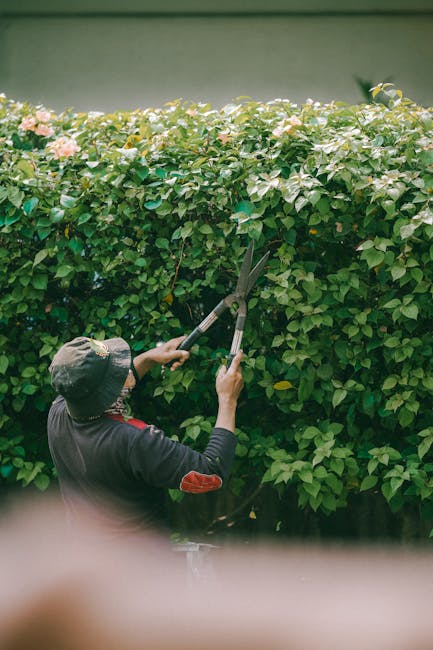
Hedge trimming in Thamesmead should leave boundaries neat, healthy and suitably shaped for the site, whether the hedge marks a front garden, screens a shared space or frames a larger landscape. We focus on careful cutting that supports the plant while improving the look and function of the hedge. That means working to the hedge’s natural habit where practical, keeping growth controlled, and giving attention to the finish so the result looks deliberate rather than simply reduced in height.
The main service is straightforward: trim hedges in Thamesmead with an approach that balances appearance, structure and ongoing maintenance needs. Some hedges need light, regular clipping to stay compact; others benefit from more careful reduction to restore a usable line and improve access. Our work is suited to domestic gardens, managed grounds and mixed planting schemes where the hedge needs a defined outline and an even profile.
If you are planning seasonal maintenance or dealing with growth that has started to lean, the aim is to make the next cut feel controlled rather than rushed. A well-trimmed hedge can support the whole garden scheme, especially where the boundary is visible from the street or sits beside patios, paths or parking areas. To discuss the work you need, request a quotation when you are ready.
Shaping and routine hedge care
Regular hedge trimming is often about consistency rather than dramatic change. A hedge that is clipped at sensible intervals usually holds a cleaner line, lets in more light where needed and avoids the coarse look that can develop when growth is left too long between cuts. We can work with formal hedges that need a crisp, flat face as well as softer, more natural outlines that are still meant to stay tidy and contained.
Different hedge types respond differently to cutting, so the service has to respect the plant as well as the visible shape. New growth can be reduced more lightly, while denser or older hedges may need a more gradual return to an even surface. In practical terms, the focus is on trimming that keeps the hedge attractive without stripping it so hard that the final result looks stressed or uneven. You can keep your hedge line neat with routine maintenance suited to the way it is planted and used.
For larger or more complex gardens, a sensible plan is to think about the hedge as part of the whole space rather than as a single task. That may include matching the front, top and sides so the hedge sits comfortably beside planting beds, lawns or paved areas. If you want a broader view of the work we can cover, see our services overview and use it to decide how hedge trimming fits with the rest of the garden.
Managing height, width and access
Some hedges are best kept narrow enough to preserve paths, driveways and planting space, while others need height controlled for privacy, safety or visual balance. Careful trimming can improve all three dimensions without making the hedge look overworked. We assess where the hedge is bulging, where the line needs refinement and which sections may need a lighter touch because of nearby structures, young growth or seasonal conditions.
Access matters too. Tall or deep hedges can be awkward to work on if there are narrow side returns, slopes, fences or obstructions close by. In those cases, the value of the job lies in getting a consistent finish across the whole run, not only at the most visible section. Where needed, we can discuss how the hedge will be approached, what level of reduction is realistic and whether a staged trim would be more suitable than a single heavy cut.
- Formal front hedges that need sharp, straight edges
- Garden boundary hedges that have grown wider than intended
- Hedges beside paths, drives or communal walkways
- Mixed hedging that needs a tidy but still natural finish
More than a quick cut
Good hedge trimming is usually a mix of judgement and restraint. It is not just about removing as much growth as possible; it is about deciding where to stop so the hedge remains healthy, attractive and manageable. That means paying attention to the outer line, the top and the transitions between thicker and lighter sections. A neat finish can make a hedge look much better even when only modest amounts of growth have been removed.
Where hedges have drifted out of shape, a more careful restoration trim may be needed. The first pass may take the broad excess away, while a follow-up pass refines the line and removes strays that catch the eye. This approach is useful for hedges that have not been maintained for a while, but it is also relevant when the hedge has grown unevenly because one side receives more light than the other. The aim is always a balanced result, not an artificial one.
If you are comparing options for regular upkeep and one-off tidying, our garden maintenance page may help you decide how trimming can sit within a wider care plan. For some properties, hedge work is part of a broader routine that also includes mowing, border tidying and seasonal adjustments.
What affects hedge trimming work
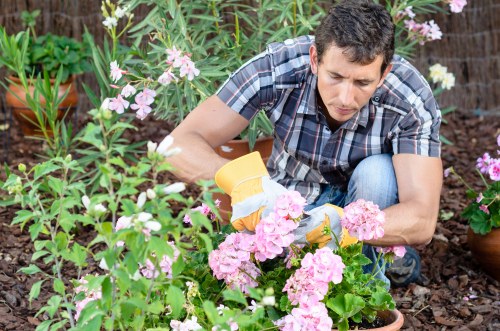
The shape, thickness and species of the hedge influence how the work should be approached. Fast-growing hedges tend to need more frequent attention, while slower-growing or more mature hedges may require more selective cutting to keep the structure intact. The surrounding layout matters too: a hedge beside a feature path or formal frontage often calls for a sharper finish than one marking the back edge of a larger plot.
Several practical factors can affect how the job is priced and scheduled. These include hedge length, height, density, access, the amount of reduction needed and whether the hedge is simply being tidied or brought back under control. If clippings need to be taken away as part of the work, that can also be part of the discussion. Clear information helps us prepare a sensible quotation, especially where there are multiple hedge runs or mixed planting types.
For customers who want to compare hedge trimming with other garden work, our garden clearance page is useful for understanding how heavier outdoor tidying differs from regular hedge care. Some jobs are best kept as maintenance; others sit more naturally alongside a fuller clearance or tidy-up.
How we approach the job
Our hedge trimming work is shaped around a clean finish and practical use of the space. We aim to keep the work orderly from the start, make the cut lines easy to follow and avoid leaving the hedge looking patchy or abruptly hacked back. Depending on the hedge and the desired outcome, the work may involve the front face, both sides and the top, or a lighter seasonal tidy to keep the existing shape intact.
For many customers, it helps to think about the desired finish before the work begins. A hedge can be maintained as a strict geometric line, allowed to look a little softer at the edges, or reduced enough to recover shape after uneven growth. If you are unsure which approach suits your hedge best, describe the result you want and include a few clear details about the hedge’s current condition. That makes it easier to prepare a quotation that reflects the real amount of work.
You can also look at our pricing and quotes page if you would like more background on how quotations are put together. The page explains the kind of factors that are commonly considered before a final figure is set.
Hedges as part of wider garden upkeep
Hedge trimming often works best when it is planned alongside other garden care, especially where the hedge sits near lawns, borders, paved areas or decking. A clean hedge edge can make the rest of the garden feel more ordered, while an overgrown hedge can make even a tidy outdoor space look crowded. We can trim hedges as a stand-alone task or as one part of a broader maintenance visit, depending on what needs attention.
If the hedge is forming a key boundary, its condition can affect how the whole space reads from both inside and outside the property. Straight, level cuts can help a formal garden feel sharper, while a softer finish may suit planting-heavy spaces better. The important point is that the hedge should look intentional. That sense of control is often what separates maintenance trimming from a simple chop-back, especially in visible front or side areas.
Where gardens include timber features or other structured outdoor elements, it can be useful to think about the hedge alongside those additions. Our decking services page is there for customers who are also considering built outdoor areas that sit close to planting or boundary lines.
About Thamesmead
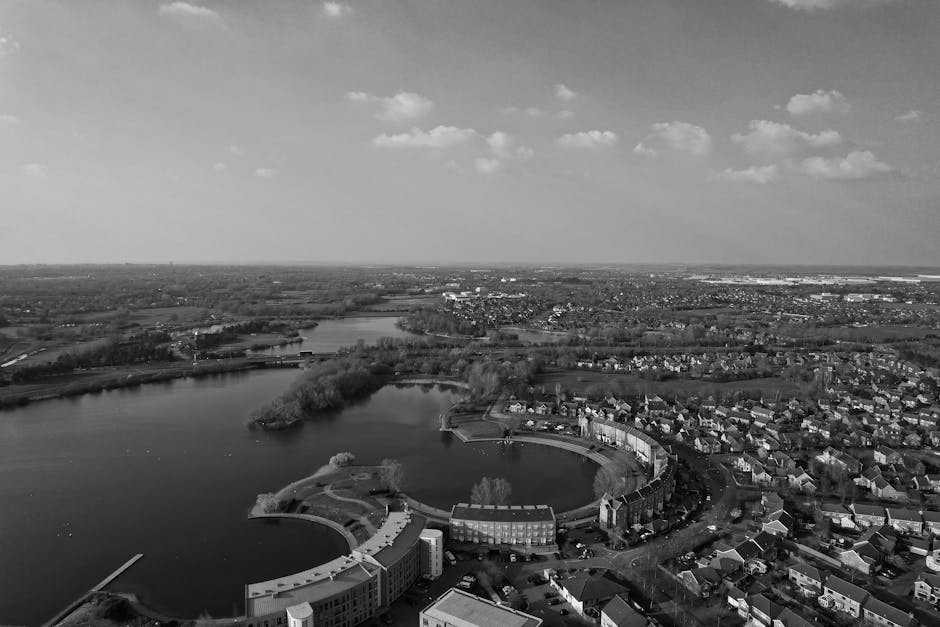
Thamesmead is a planned district in south-east London, spread across parts of the London Borough of Bexley and the Royal Borough of Greenwich. It was developed from the late 1960s onwards on land that had previously been marshy and industrial in character, with the River Thames nearby shaping both the geography and the long history of the area. The name itself reflects that river setting, while the modern estate layout reflects post-war ideas about housing, open space and movement around neighbourhoods. Thamesmead is often recognised for its extensive water features, footpaths, bridges and broad housing layouts, which give it a very different character from older, denser parts of London.
The area includes a mix of housing forms and public spaces, with lakes, canals and green corridors woven into the urban plan. Southmere Lake is one of its best-known features, and the surrounding landscape has long been part of the district’s identity. Thamesmead also contains well-known landmarks from popular culture and film, including locations used in A Clockwork Orange, which helped fix its image in wider public memory. The area has continued to evolve through regeneration, but its original design features remain highly visible in the open walkways, elevated routes and broad residential lines that define many streets. For residents and visitors, Thamesmead is distinctive because it combines waterside scenery, modernist planning and a large, open built environment in one place.
Trimming for formal and informal planting
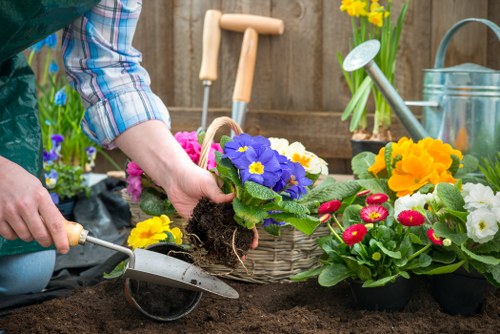
Not every hedge should look the same. A clipped laurel or privet hedge often suits a firmer line, while more mixed planting can benefit from a gentler shape that still reads as cared for. The task is to identify what the hedge is meant to do and then trim it accordingly. That could mean preserving privacy, framing a path, reducing encroachment or simply keeping the outline tidy through the growing season.
In some gardens, the hedge acts as a visual boundary between different uses of space. It may separate a lawn from a planting bed, screen a service area or soften the edge of a fence. Those roles call for different levels of detail in the cut. A hedge that is seen close up may need a more refined finish than one viewed from further away, while a hedge that defines a boundary line may need a level top and a carefully even face. The best outcome usually comes from matching the trim to the hedge’s job.
If the hedge is part of a larger outdoor redesign, our landscape gardening page can help you explore how planting, structure and layout work together. Hedges often sit at the centre of that wider plan, not at the edge of it.
Deciding when to trim
Timing affects both appearance and plant response. A hedge that is cut too often may lose the fullness that gives it structure, while a hedge left too long can become coarse, heavy and difficult to tidy without a bigger intervention. The right timing depends on the hedge type, how quickly it grows and how formal the finished look needs to be. A sensible schedule is usually more effective than occasional heavy cutting.
For some properties, the ideal timing is connected to visibility and access: the hedge may need to stay presentable through the busiest part of the year, or it may need attention before outdoor spaces are used more often. Even then, the job should still respect the hedge’s condition. A proper trim keeps the line clean without forcing the plant into a shape it cannot support well. If you are uncertain, it is better to discuss the hedge as it stands now than to guess at a solution.
When the hedge is only one part of the outdoor work, our landscaping page may be useful for seeing how trimming sits within larger improvement plans. That can include reshaping planting lines, improving boundaries or balancing hard and soft garden features.
Preparing for a quotation

A quotation is easier to prepare when the hedge details are clear. The most useful points are the hedge’s approximate length and height, whether it is one run or several, how dense it has become and whether access is straightforward. If possible, it also helps to explain what sort of finish you want: a light tidy, a reduction in size or a more careful re-shape. That information makes the quotation more accurate and reduces unnecessary back-and-forth.
It is also helpful to say whether you want clippings removed, whether the hedge borders a driveway or pavement, and whether the hedge includes only one species or a mixed line of planting. Small differences can change the amount of work involved, particularly where the hedge has both tall and broad sections. If you are unsure how to describe the job, a simple written summary is usually enough to start the conversation.
To move things forward, please contact us or send a request for a quotation with the key hedge details. If you want to compare hedge work with other maintenance options before you get in touch, our hedge trimming page gives a clear route to the core service again from this site.
Supported outdoor services
Although hedge trimming is the main focus here, some customers prefer to bundle related outdoor tasks so the garden feels consistent after the work is complete. Depending on the layout, that can involve lawn care, light clearing or other general maintenance alongside the hedge itself. A joined-up approach is often useful where the hedge frames the rest of the space and the surrounding areas need a similar level of tidiness.
Our work can be planned so the hedge is trimmed with the rest of the garden in mind, not treated as an isolated feature. Where appropriate, that may include considering access to lawns, visible boundary lines, paved edges and areas around planting beds. A coherent finish usually depends on more than one cut line, which is why the surrounding garden is worth thinking about when the quotation is prepared. For customers who want a broader sense of the services available, the site’s service pages can help show how the pieces fit together.
Useful related pages include lawn mowing for grass care, tree lopping and removal where taller growth needs separate attention, and recycling and sustainability for information on responsible handling of green waste and materials. These pages support the wider picture without replacing the main hedge trimming service.