Avoid common mistakes when hiring Thamesmead gardeners
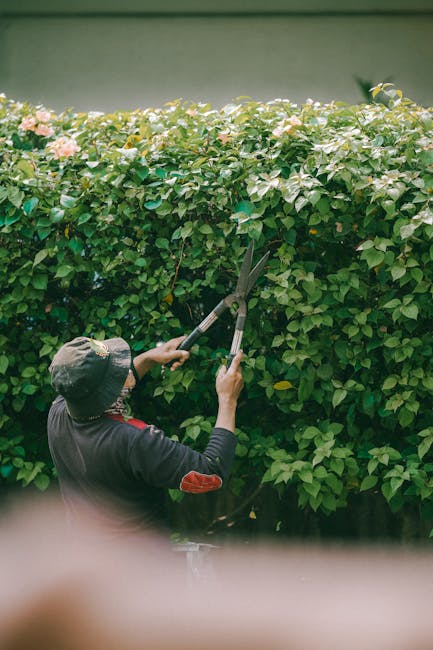
Hiring a gardener should make life easier, not create a fresh round of hassle. Yet that is exactly what happens when people rush the decision, skip the details, or assume every gardener works the same way. If you are trying to avoid common mistakes when hiring Thamesmead gardeners, the good news is that most problems are preventable with a bit of careful thinking up front.
In Thamesmead, gardens can be compact, awkwardly shaped, wind-exposed, or tied into larger landscaping needs. That means the right person for lawn mowing may not be the right person for hedge work, garden clearance, or tree-related jobs. This article walks you through the practical things to check, the warning signs to watch for, and the simple steps that help you hire with confidence. No fuss. Just the useful bit.
Why it matters
Garden work looks simple from the outside. Cut the hedge, mow the lawn, clear the mess, done. But the real-world version is more varied. A tidy front garden, safe access paths, a healthy lawn, and properly managed shrubs all depend on the gardener understanding the space, the season, and the limitations of the property. That is why getting the hire wrong can be expensive, frustrating, and sometimes unsafe.
The biggest issue is not just poor workmanship. It is poor fit. A gardener who is brilliant at regular maintenance may not be equipped for heavier clearance work. Someone who offers a very cheap one-off quote may not include waste removal, access issues, or aftercare. And if you are planning broader improvements, you may need someone who can work alongside landscaping or even support more structured landscape gardening plans.
To be fair, most people only book a gardener when the garden is already causing them stress. The grass is too long, the hedge is leaning into the path, maybe there is wet debris underfoot. In that moment, it is easy to grab the first number you see. But a calm, methodical hire usually saves money and effort later.
Expert summary: The safest way to hire a gardener is to treat it like a small project, not a quick favour. Check scope, experience, insurance, waste handling, and communication before you agree to anything.
How it works
Hiring a gardener in Thamesmead usually follows a fairly simple pattern: you describe the job, the gardener assesses the garden, a quote is provided, and the work is scheduled. The catch is in the details. Two quotes may look similar at first glance, but one may include hedge cutting and removal of clippings, while the other only covers the cutting itself. That is where misunderstandings begin.
A good process usually includes these stages:
- Initial enquiry - You explain the size of the garden, the work needed, and any access issues.
- Assessment - The gardener may ask for photos, a site visit, or a quick description of the layout.
- Quote - You receive a price or estimate with a clear scope.
- Scheduling - A date is agreed, along with any preparation needed.
- Work carried out - The gardener completes the task, ideally to the agreed standard.
- Aftercare or follow-up - For maintenance work, you may discuss the next visit or any ongoing plan.
This is also where service choice matters. A job that looks like general tidying may actually need regular garden maintenance, while a neglected outdoor space may need garden clearance first before routine care can even begin. If you mix those up, you can end up paying for the wrong kind of visit. Happens more often than people think.
One small but important point: gardeners are not all the same. Some focus on regular mowing and pruning, others on larger-scale outdoor transformation, and some split their time between specialist tasks like hedge work and tree-related services. So if you need reliable hedge shaping, look for a clear fit with hedge trimming; if a tree is the issue, the right conversation may be about tree lopping and removal.
Key benefits and practical advantages
Hiring well is not just about avoiding disappointment. It improves the look, safety, and usability of your outdoor space in ways you notice every week. A properly maintained garden feels calmer, looks sharper, and is easier to keep under control. That matters whether you use the space for children, pets, entertaining, or just a quiet tea outside when the weather is behaving itself.
- Better value over time - You are less likely to need repeat fixes or emergency tidy-ups.
- Cleaner results - A clear scope usually means fewer missed spots and fewer surprise extras.
- Safer work - Proper equipment, sensible handling, and good practice reduce risk.
- Less disruption - Good communication means fewer no-shows and fewer awkward misunderstandings.
- More suitable service matching - The right gardener can direct you toward the best approach for mowing, pruning, clearance, or broader landscaping.
There is also a subtle benefit people often overlook: confidence. Once you know your gardener understands the job, the whole thing stops feeling like a gamble. You are not watching the clock, worrying about cut corners, or trying to guess whether the quote was realistic. That peace of mind is worth quite a lot.
If you are planning wider improvements, it may also help to read about services overview first so you understand how different types of work fit together. It is a small step, but a useful one.
Who this is for and when it makes sense
This guidance is for anyone in Thamesmead who wants a better outcome from garden work without wasting time or money. That includes homeowners, landlords, letting agents, property managers, and busy households that simply want the outside space under control again. If the garden is visible from the street, used often, or part of a rental property, the quality of the gardener matters even more.
It makes particular sense to slow down and check the details if:
- the garden has been neglected for a while;
- you need more than one type of job done;
- you are comparing multiple quotes;
- there are access constraints, pets, or fragile features to protect;
- you need regular visits rather than a single one-off tidy;
- you are unsure whether you need maintenance, clearance, or landscaping support.
For example, a landlord preparing a rental property may need dependable mowing and hedge work before a new tenant moves in. A homeowner, by contrast, may need seasonal shaping, leaf clearance, and a refresh around the edges. Different outcomes, different priorities. Same garden, sometimes entirely different brief.
If your project includes built elements like steps, borders, or timber features, the right gardener may need to coordinate with decking services or broader landscaping work. You do not need to know every trade term, but you do need to know when the job is bigger than simple tidying.
Step-by-step guidance
Here is a simple way to hire with less stress and better results.
- Define the job clearly. Write down what you want done: mowing, hedge trimming, clearance, pruning, border tidying, or a mix.
- Take a few photos. Good photos save time. Include the full garden, tricky access points, and any problem areas.
- Ask what is included. Does the price cover labour only, labour plus waste removal, or additional materials?
- Check relevant experience. A gardener who mainly handles maintenance may not be the best fit for overgrown spaces or tree work.
- Discuss timing and access. Let them know about gates, side passages, parking, neighbours, pets, or restricted hours.
- Confirm the standard. Agree what "done" looks like. Shorter hedge height? Edges cleared? Clippings removed?
- Keep the communication in writing where possible. Even a brief message can prevent confusion later.
That sounds obvious, but frankly, the number of jobs that go sideways because of a vague message is a bit astonishing. "Just tidy it up" means one thing to one person and something else entirely to another. Be specific. You will save yourself a headache.
If you are arranging an ongoing service, ask whether the gardener can move from one-off work into a repeat schedule. A good fit for lawn mowing or seasonal maintenance should feel predictable, not improvised every single visit.
Expert tips for better results
After plenty of real-world gardening jobs, a few habits consistently lead to smoother outcomes. Nothing dramatic, just the little things that stop a quote becoming a complication.
- Use photos, not just descriptions. A picture of an overgrown hedge says more than a paragraph ever will.
- Separate urgent work from planned work. If a branch is risky, say so. If the lawn merely needs weekly attention, keep that separate.
- Ask about waste handling early. Green waste can be one of the biggest hidden variables.
- Choose a gardener who explains things plainly. Good communication usually reflects good working habits.
- Be realistic about outcomes. A neglected garden may need more than one visit to look and feel right again.
One useful sign of professionalism is how the gardener talks about limitations. A trustworthy person will tell you if something needs specialist attention rather than pretending everything is straightforward. That kind of honesty is worth keeping.
Another tip: if the job involves cuttings, debris, or a heavy seasonal clear-up, ask how the waste will be handled before the work starts. Many people only remember this part when there is a mountain of branches and nowhere to put them. Not ideal on a wet Thursday afternoon.
Common mistakes to avoid
This is the section that saves people the most money. The common mistakes are usually not technical; they are decision mistakes. Small, human, understandable ones. But they add up.
1. Choosing only on price
The cheapest quote may leave out important work or assume a faster job than the garden actually allows. If one price is far below the others, ask what has been excluded. Low price can be fine, but only if it is genuinely comparable.
2. Not checking what the service actually covers
"Garden work" is too broad. Does the job include edging? Weeding? Waste removal? Hedge shaping? One-off maintenance? If these details are not agreed, the result can be awkward.
3. Hiring a generalist for specialist work
A tidy lawn and a tricky tree are not the same brief. If the garden needs more structured work, look for the right service rather than assuming any gardener can handle everything. For bigger overgrowth, garden clearance may be the better first step than routine maintenance.
4. Ignoring insurance and safety
If tools, ladders, power equipment, or heavy debris are involved, insurance and safe working practices matter. It is not being fussy. It is being sensible. If you want reassurance on this point, review insurance and safety information before booking.
5. Forgetting access and parking issues
In Thamesmead, access can make a big difference to how quickly a job can be done. Narrow side gates, shared paths, or difficult parking can all affect timing. Mention them early.
6. Leaving all communication to the day of the job
If the gardener turns up expecting one thing and you expect another, the job becomes tense before it starts. A quick message in advance avoids that. Simple, really.
7. Not asking about disposal and recycling
Some customers want all waste taken away. Others are happy to keep clippings for composting. Be clear. If sustainability matters to you, it is worth checking a company's recycling and sustainability approach too.
8. Skipping written terms
Even a brief summary of the agreed work, price, and date helps. It does not need to be formal. It just needs to be clear.
Tools, resources and recommendations
You do not need specialist knowledge to hire well, but a few simple tools help you make a better decision. The aim here is clarity, not admin for the sake of it.
- Phone camera - Take wide shots and close-ups of problem areas.
- Short job list - Write the tasks in order of priority.
- Garden measurements - Even rough dimensions help with quoting.
- Notes on access - Gate widths, parking constraints, and any shared areas.
- Budget range - Decide your upper limit before you compare quotes.
It also helps to know which service page matches your need before you start asking for quotes. If the task is mainly cutting back overgrown shrubs, look at hedge trimming. If the job is routine upkeep, garden maintenance is usually the more relevant starting point. For a broader project, the services overview can help you frame the brief properly.
If you want to understand how quotes are usually structured, the pricing and quotes page is a useful place to look before you commit. That way, you are comparing like with like, which sounds obvious but often gets missed.
Law, compliance, standards, and best practice
Without turning this into a legal lecture, there are a few sensible standards to keep in mind when hiring any gardener in the UK. If the work involves tools, ladders, chains, electrical equipment, or heavy green waste, you should expect safe working practice and appropriate care on site. That means a tidy setup, sensible methods, and a professional attitude to risk.
For some jobs, especially tree-related work, it is reasonable to ask how the work will be handled and whether the gardener has the right experience for the task. Tree work can carry more risk than it first appears, so it should not be treated as a casual add-on to routine garden tidying.
It is also sensible to check terms and conditions before work starts. Not because everyone is trying to trap anyone, but because the basics matter: cancellation, access, payment timing, and what happens if the job changes once the gardener arrives. A quick read of terms and conditions can prevent later confusion.
If a company discusses health and safety openly, that is usually a good sign. You can also look at their health and safety policy to understand how they approach site risk, equipment use, and working methods. It is not about paperwork for paperwork's sake. It is about showing that work is done responsibly.
One more thing: if the company is being asked to carry out clearance around shared spaces, communal access, or family homes, good behaviour and respect matter too. Professionalism is not only about tools and prices. It is also about being considerate, punctual, and clear.
Options, methods, and comparison table
Different jobs need different approaches. The right choice depends on the condition of the garden, how often you want help, and whether you want a tidy finish or a bigger transformation.
| Option | Best for | Typical strengths | Watch out for |
|---|---|---|---|
| One-off tidy | Quick reset before an event, inspection, or sale | Fast, practical, immediate visual improvement | May not solve underlying maintenance needs |
| Regular maintenance | Ongoing lawn, hedge, and border care | Consistent look, easier planning, less overgrowth | Needs clear scheduling and communication |
| Garden clearance | Overgrown, neglected, or cluttered spaces | Removes bulk, creates a fresh starting point | Can cost more than expected if waste is heavy |
| Landscaping support | Layout changes, structural improvement, redesign | Improves use, flow, and appearance over time | Requires planning and usually more than one visit |
In practice, many gardens need a combination. A first visit might be clearance, followed by maintenance, then some landscaping or deck-related work later. That is normal. The mistake is expecting one generic visit to fix everything in one go.
Case study or real-world example
Here is a realistic example based on a common type of enquiry. A homeowner in Thamesmead wanted their back garden "sorted out" after a busy season. The hedge had spread, the lawn was patchy and long, and the side access was narrow. They contacted a gardener based mainly on price.
The first quote looked attractive, but it only covered cutting the hedge and mowing the lawn. It did not include waste removal, edge tidying, or the extra time needed to move materials through the side passage. On the day, the gardener arrived, realised the scope was bigger than expected, and the job became a stop-start conversation. Nobody was especially happy. You know how that goes.
They restarted the process properly. This time they sent photos, explained the access, listed what they wanted removed, and confirmed that waste should be taken away. The gardener adjusted the quote, the work was planned correctly, and the result was calmer, cleaner, and more usable. Not glamorous, but very effective.
The lesson is simple: the second conversation was better because it was specific. The garden did not change. The brief did. And that made all the difference.
Practical checklist
Use this before you book anyone. It takes two minutes and can save a lot of back-and-forth.
- Have I clearly listed the exact tasks needed?
- Have I shared photos of the garden?
- Do I know whether this is maintenance, clearance, mowing, hedge work, or landscaping?
- Have I asked what the quote includes and excludes?
- Have I confirmed waste removal and disposal?
- Have I mentioned access, parking, pets, gates, or timing issues?
- Have I checked for relevant experience on similar jobs?
- Have I looked at insurance and safety information?
- Do I understand the payment terms?
- Have I agreed the outcome I want in plain language?
Quick takeaway: If any one of these is unclear, slow down and ask again. A better question now beats a messy job later. Every time.
Conclusion
The easiest way to avoid disappointment is to treat hiring a gardener as a small but important decision. Be clear about the job, check what is included, and choose someone whose experience matches the work in front of you. That is how you avoid the most common mistakes when hiring Thamesmead gardeners and get a result that actually feels worth paying for.
In the end, good garden work should leave you with less stress, not more. A cleaner lawn, sharper edges, safer access, and a space you feel good about stepping into on a grey morning or a bright summer evening. That is the goal, really.
If you are still weighing up your options, take a moment to compare the service details, check the quote process, and ask the awkward questions now rather than later. It is a small bit of effort for a much better finish.
Get a free quote today and see how much you can save.
Frequently Asked Questions
What should I ask before hiring a Thamesmead gardener?
Ask what is included in the quote, whether waste removal is covered, what experience they have with similar gardens, and how they handle access or parking. Those four questions solve a surprising amount of confusion.
How do I know if I need garden maintenance or garden clearance?
If the space mainly needs ongoing care such as mowing, pruning, and edging, maintenance is the better fit. If the garden is overgrown, cluttered, or neglected, clearance is usually the first step before regular upkeep can begin.
Why are some gardeners much cheaper than others?
Sometimes the cheaper quote simply covers less. It may exclude waste disposal, extra labour, or follow-up work. Price differences can also reflect experience, equipment, and the type of job being offered.
Should I choose a gardener who specialises in hedges or lawns?
If the job is mainly one of those tasks, yes. A specialist in hedge trimming or lawn mowing may deliver a neater and quicker result than a general visit.
Do I need insurance when hiring a gardener?
You are not buying insurance for yourself, but it is sensible to check that the gardener has appropriate cover and safe working practices. That matters more for jobs involving ladders, tools, or heavier materials.
How can I compare quotes properly?
Make sure each quote covers the same scope. Compare labour, waste removal, access assumptions, and any extras. If one quote seems vague, ask for clarification before deciding.
What if my garden is difficult to access?
Tell the gardener in advance. Narrow side paths, shared access, and parking limits can all affect the job. A good gardener will factor that into planning and pricing rather than discovering it on arrival.
Is it better to book one-off work or a regular service?
It depends on the condition of the garden. If it is already tidy, regular maintenance often keeps it manageable. If it is badly overgrown, a one-off clearance may be needed first, followed by ongoing care.
Should I ask about recycling and green waste?
Yes. Some people want all waste removed, while others prefer composting or recycling where possible. It is one of the easiest details to agree early, and it avoids a lot of mess at the end.
What if the gardener arrives and says the job is bigger than expected?
That can happen if the brief was too broad or the photos were not clear. The best fix is to pause, re-scope the work, and agree a revised plan before continuing. It is better to slow down than to rush into the wrong job.
How often should I have a garden maintained?
There is no single answer. Some gardens need weekly attention during peak growth, while others only need monthly or seasonal visits. The right schedule depends on the size of the garden, how quickly it grows, and how tidy you want it to stay.
Where can I find more information about the company before booking?
You can check the about us page for background and the contact us page if you need to ask something specific before making a decision. A little extra reassurance never hurts.